


Welcome to Drunken Boat
One of the world's oldest electronic journals of the arts and a 501(c)(3) nonprofit organization, Drunken Boat was founded in 1999 by poet Ravi Shankar and visual artist/architect Michael Mills. The journal was created to embrace a new paradigm of publishing, one dedicated to works of art endemic to the medium of the web - sound, video, hypertext, digital animation, locative media, web art, interactive fiction - alongside more traditional forms of representation such as poetry, prose, photography, and translation.
Since its inception, Drunken Boat has been dedicated to showcasing diverse and global voices, publishing the work of over 1000 artists and writers, including Sol LeWitt, Norman Mailer, Alexandra Tolstoy, Ocean Vuong, Leslie Scalapino, DJ Spooky, Layli Long Soldier, Raymond Queneau and many more. The journal has been featured on BBC-Vietnam, won a Webby Award from the South by Southwest® (SXSW®) Festival, received a special commendation from the National Aphasia Association and according to The Review Review, "Drunken Boat is, or should be, central to any discussion of literature online or online literature ... Drunken Boat is a ... beautifully presented, carefully maintained space."
Latest Books
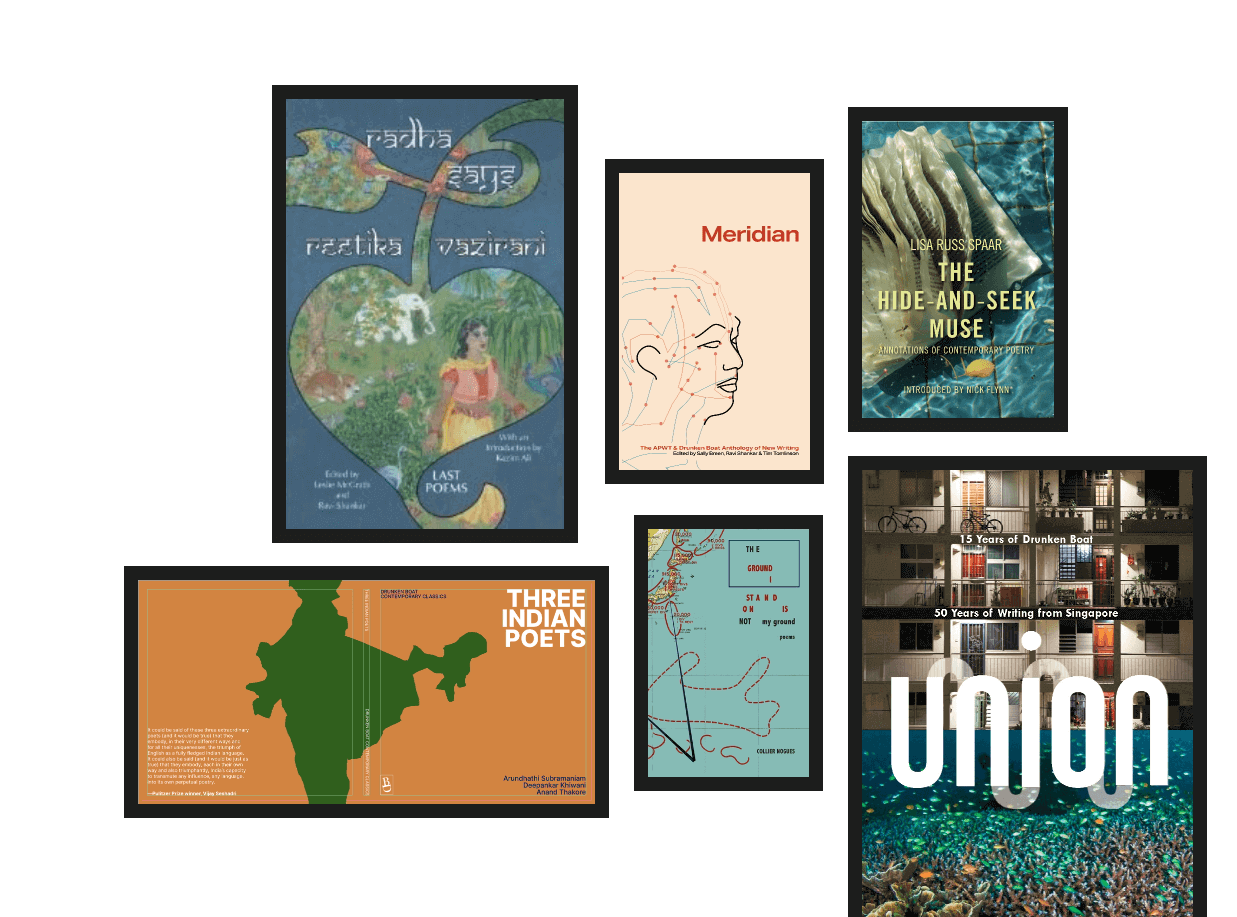
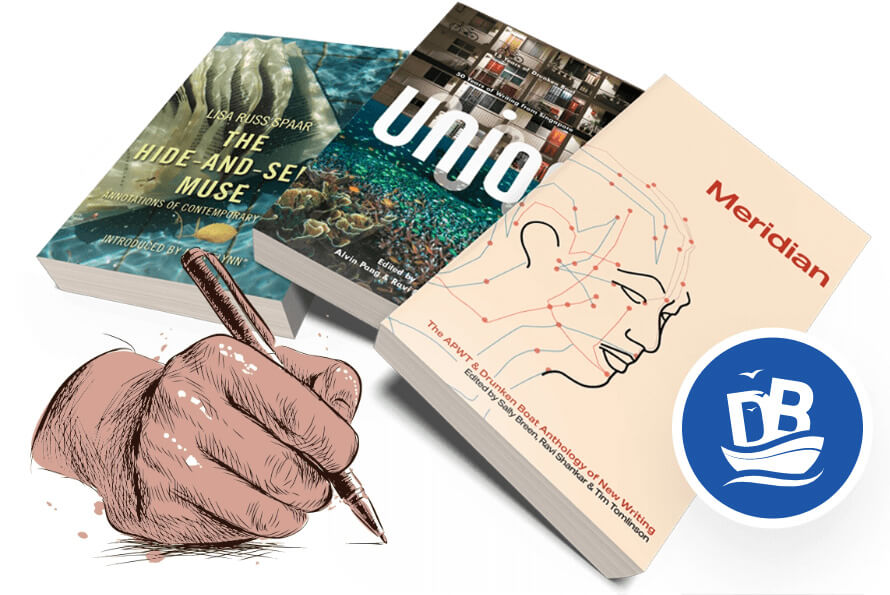
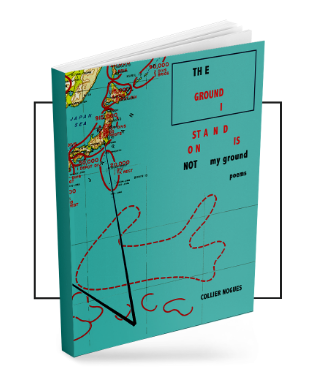
Poetry. Art. THE GROUND I STAND ON IS NOT MY GROUND, selected by Forrest Gander as the winner of Drunken
Boat's 2014 poetry book contest, is a hybrid of poetry and digital art.

Upcoming Books
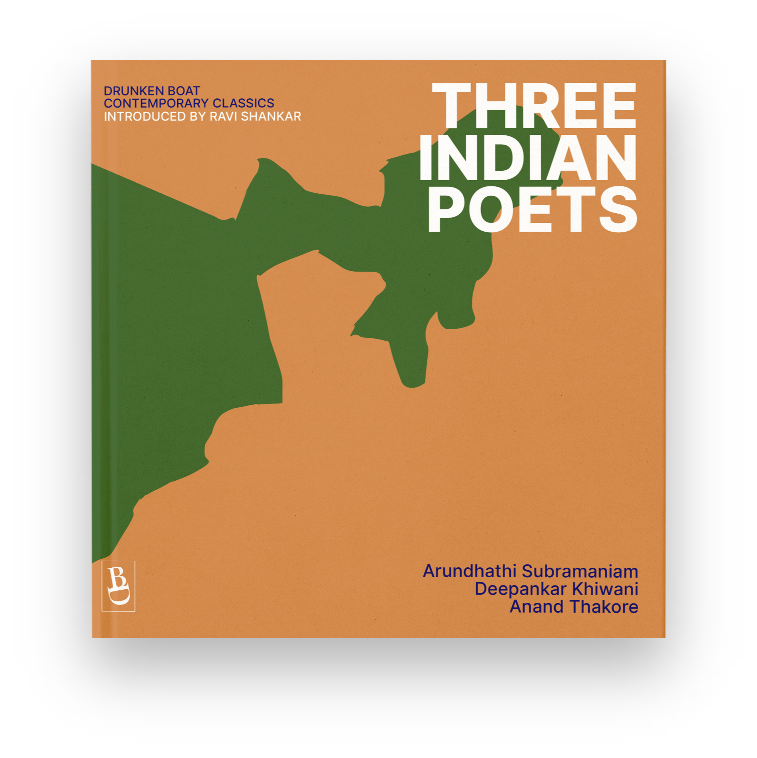
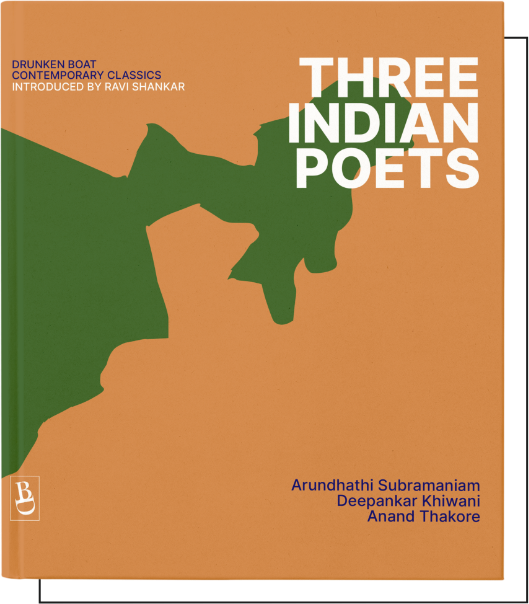
Three Indian Poets: Arundhati Subramaniam, Deepankar Khiwani and Anand Thakore
Drunken Boat Global Classics
Drunken Boat ISSUE 25
Sat, 04/20/2024 12:00
All Issues
Learn about Drunken Boat's authors
Learn about Drunken Boat's authors
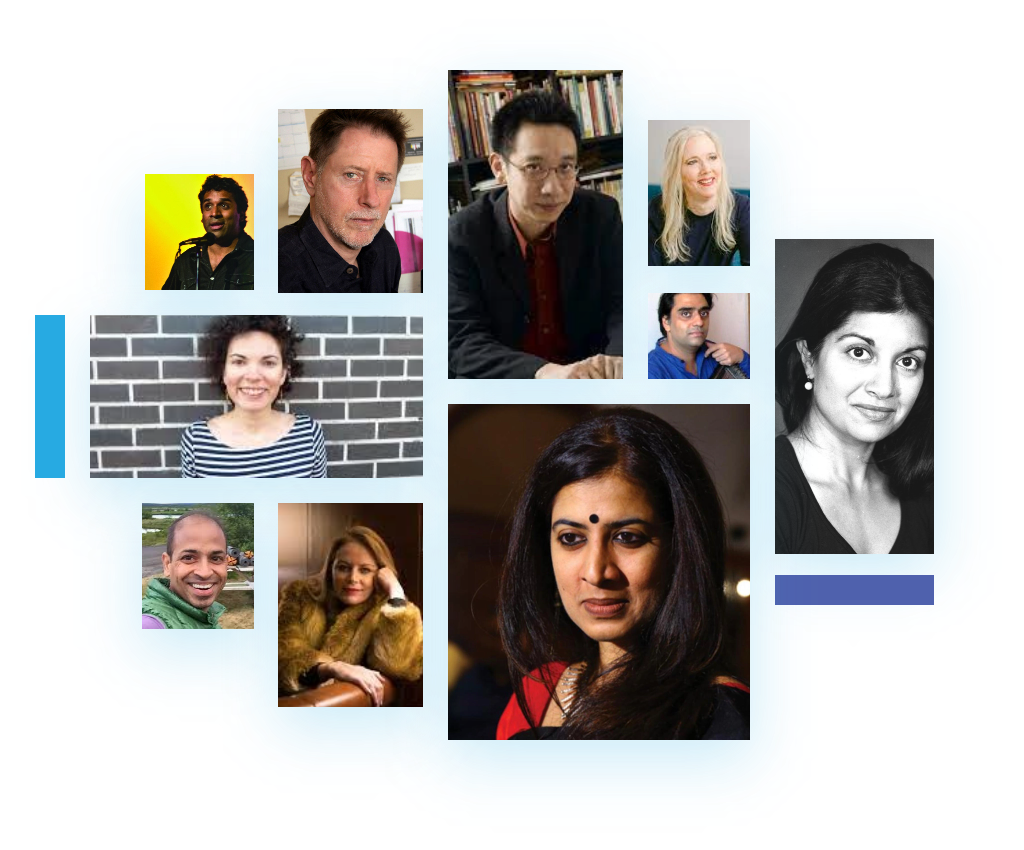
Since its inception in 1999, Drunken Boat has published over 1000 poets, writers, translators, artists, and musicians. Our books are available on Small Press Distibution, and our forthcoming title features three of India's finest poets.
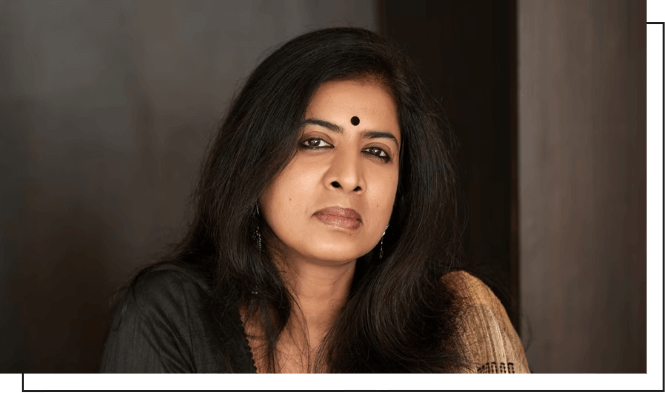
Arundhathi Subramaniam
ARUNDHATHI SUBRAMANIAM is the award-winning author of thirteen books of poetry and prose, including the recent poetry volume, Love Without a Story, and a book of essays on contemporary women on sacred journeys, Women Who Wear Only Themselves. Her other work includes the acclaimed sacred poetry anthology, Eating God and the bestselling biography of a mystic, Sadhguru: More Than a Life. A well-known prose writer on Indian spirituality, she has been a long-standing arts critic, anthologist, performing arts curator and poetry editor... [Read More]


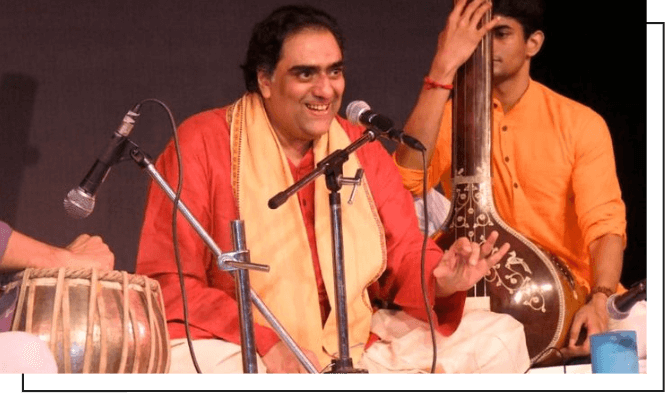
Anand Thakore
Born in Mumbai in 1971, Anand Thakore grew up in India and in the United Kingdom. He has spent most of his life in Mumbai. His published collections of poetry include Waking In December (2001), Elephant Bathing (2012), Mughal Sequence (2012), Selected Poems (2017) and Seven Deaths and Four Scrolls (2017). A Hindustani classical vocalist by training, he has devoted much of his life to the study, performance, composition and teaching of Hindustani vocal music. He received musical instruction for many years from Ustad Aslam Khan, Pandit Baban Haldankar and Pandit Satyasheel Deshpande... [Read More]
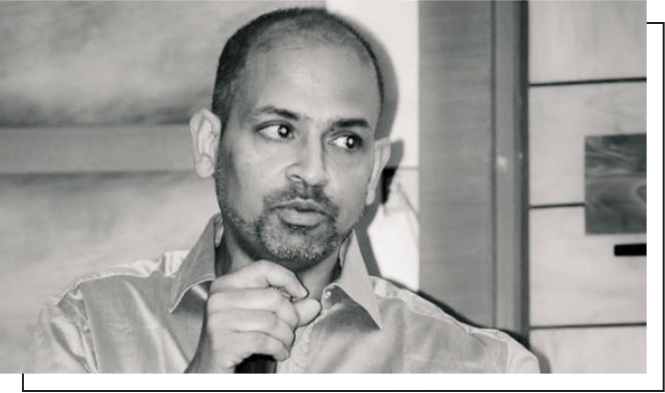
Deepanker Khiwani
Born in New Delhi in 1971, Deepankar Khiwani lived in Paris for a long time before returning to India. He read Economics at Bombay University and earned postgraduate degrees in accounting and business management. He worked for a consulting and technology company. Khiwani's debut collection of poems, Entr'acte, was published in 2006 by Harbour Line. A master of formal, metred verses, Khiwani explored themes of detachment, masquerade, and ambivalence in these poems. His poems were included in many anthologies including 60 Indian Poets (Penguin, ed. Jeet Thayil), The Bloodaxe Book of Contemporary Indian Poets (Bloodaxe, ed... [Read More]